Explore Our Activities
What We Offer
We offer a range of activities that are included in our sessions. You are more than welcome to talk to us about customising your experience.
-
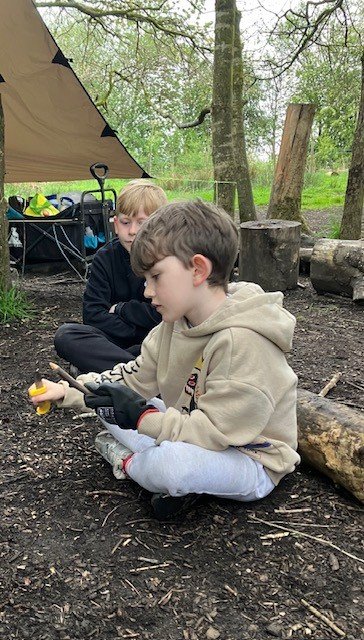
Whittling at forest school is a highly engaging, meditative, and sensory craft that teaches children respect for tools while allowing their creativity to flourish. It is often introduced around ages 7 or 8, depending on the child's maturity and focus. The focus is entirely on control, patience, and safety rather than aggressive cutting, making it a surprisingly calming activity for rambunctious children.
-
Den building is a classic, child-led Forest School activity that combines physical movement, creative problem-solving, and structural engineering. By gathering natural materials and working together, children learn how to assess risks, collaborate, and construct their own imaginative shelters.
-
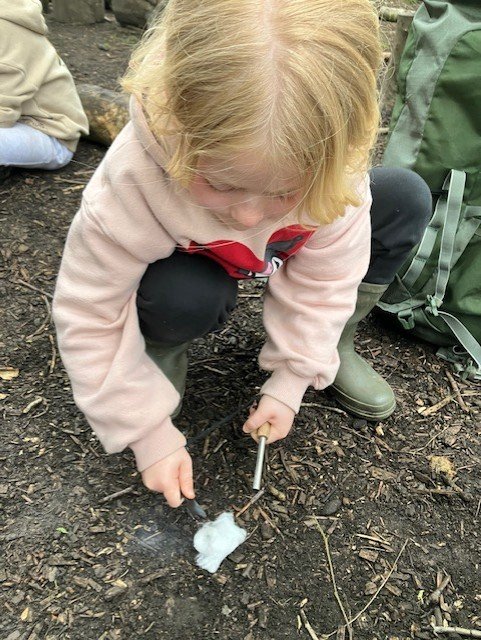
Fire lighting at Forest School is a highly structured activity that uses managed risk-taking to teach children fine motor skills, resilience, and an appreciation of the natural environment. The process—from gathering tinder to safely extinguishing the embers—is strictly governed by risk-benefit assessments and guided by a Level 3 trained practitioner.
-
Knot tying is an essential, highly practical skill in forest school, heavily integrated into activities like shelter building, setting up swings, creating rope bridges, and crafting. We only teach 3 knots at our forest school sessions, we use these 3 knots on all our activities.
-
Story time at Forest School is a powerful, immersive way to build children's confidence, encourage imaginative play, and deepen their connection to the natural world. Instead of traditional indoor reading, the outdoors provides a living, breathing backdrop that turns stories into tactile, multisensory adventures. We incorporate a story into every one of our forest school sessions.
-
Fire safety at forest school relies on clearly defined physical boundaries, strict behavioral rules, and proactive risk-benefit assessments. The foundational approach requires a Level 3 Forest School Leader to oversee all fire activities, establishing a multi-layered zone that separates children from open flames.
Cooking on a fire at Forest School is a high-benefit activity that builds confidence, social connection, and fine motor skills. The secret to successful and safe Forest School cooking is to cook over hot, glowing embers rather than active flames, which burn food too quickly.
-
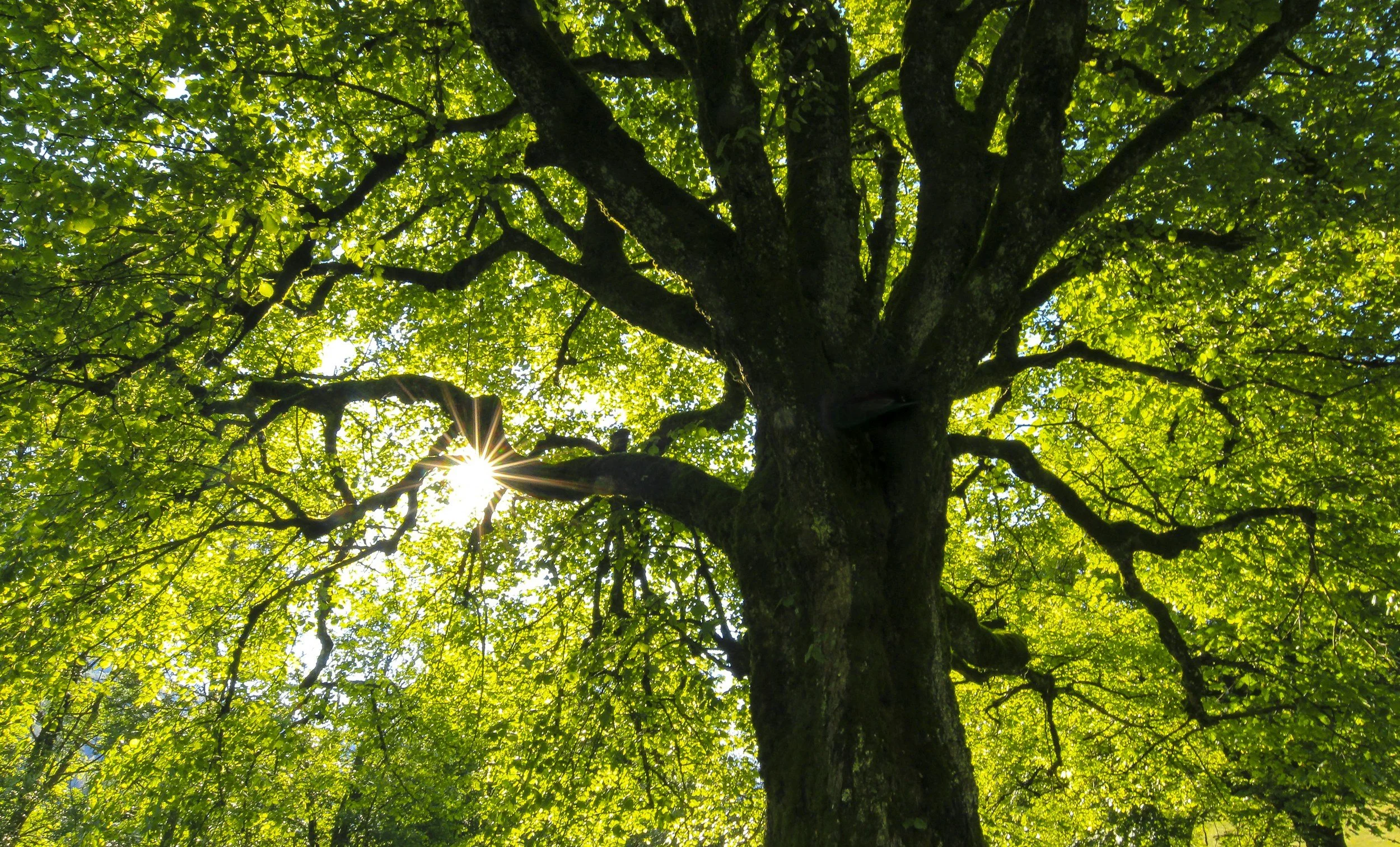
Tree climbing is a core Forest School activity that builds physical strength, coordination, and self-confidence. It encourages children to manage their own risk-taking in a supportive, natural environment.